As the Super Bowl halftime show has grown in popularity over the years, we have separated from the original intents of the performance. When the performance first became a part of the game, it was originally intended for the stadium attendees and the streamers on TV, aimed for family-friendly audiences. It was designed to feature college marching bands, drill teams, dance troupes, choral groups, and themed spectacles. The very first halftime show included the University of Arizona marching band, drill teams and novelty acts, marching on the field as they performed, to appeal to a “quintessentially American” feel and a patriotic audience.
Moving into the 1990s to the early 2000s the performance began broadening its appeal and shifting to a more pop culture centered show. In 1993, Michael Jackson’s performance was a pivotal moment that transformed the event. The production began to include artists such as Prince, Shaina Twain and U2 who had spectacular, high energy performances. The goal for this was to target a larger, more diverse audience with a focus on the 18-49 year old demographics by focusing on the current, relevant superstars. Shifting to the current time, the focus of the production was still towards the broader audiences and 18-49 year old demographics as they brought in superstars that transcend generations and genres with a massive youth appeal. While originally being intended as wholesome entertainment for all, it has become a strategic marketing effort to capture the younger, consumer attention as the NFL picks the next performer, with the heavy influence of Jay-Z as well.
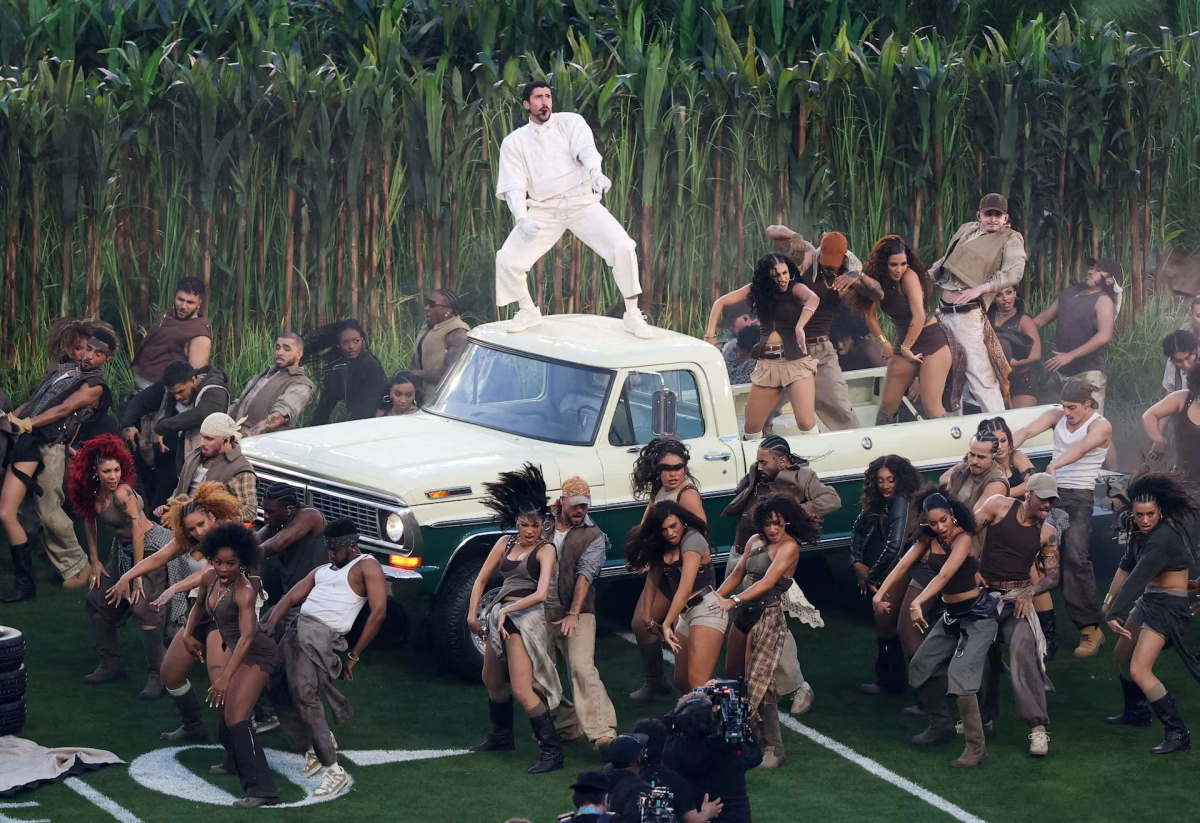
With these shifts, larger popstars such as Lady Gaga, Katy Perry, Snoop Dog, Dr. Dre, Eminem and most recently Bad Bunny have been invited to perform. Upon having a successful Grammys, Bad Bunny took the field at the Super Bowl LX with an impressive, but controversial performance. The performance was filled with dancing and kept the energy high. During the performance, a wedding took place, there were dancing plants, Lady Gaga and Ricky Martin were brought out, and overall many viewers shared that it made them feel as if they were immersed in Hispanic culture. As share in “The Hill”, while much of the population, around 30-48%, was happy with Bad Bunny’s performance, and enjoyed the production, there is a large group, around 26-29% of the population, who feel as though it was not fitting for the event and disagree with the choices made.
As the Superbowl is one of the most well known American sport traditions, many are finding it unfitting for the performance to be centered around a different culture. Some claimed to enjoy the performance, but felt it should not have been at the Superbowl. The audience for the Superbowl has grown over the years, and now includes people of all ages, cultures, beliefs, and genders. As the audience has grown, the opinions towards the game have shifted. While the majority watch for the actual game and might choose to stream the halftime show simply because it is there, others believe that the show makes up much of the game. Many of the population stream the game and the show because they feel it is a part of their country and it is a yearly tradition to watch. The Superbowl has and likely will always be centered solely around the game itself, but as the halftime show grows, the attention is slowly shifting to the performance. The attention shift also brings new views but unfortunately some are less positive. With all of the changes and aspects contributing to the halftime show, the question on people’s minds is whether or not Bad Bunny’s halftime show performance was the right choice, or if a different performer should have been chosen?