School dances like prom and homecoming have changed a lot over the decades, but their purpose has stayed surprisingly similar: bringing students together to celebrate, connect, and create memories. From classic slow dances in the 1950s to today’s high-energy, themed events, proms and homecoming dances reflect the culture, fashion, and music of their time.
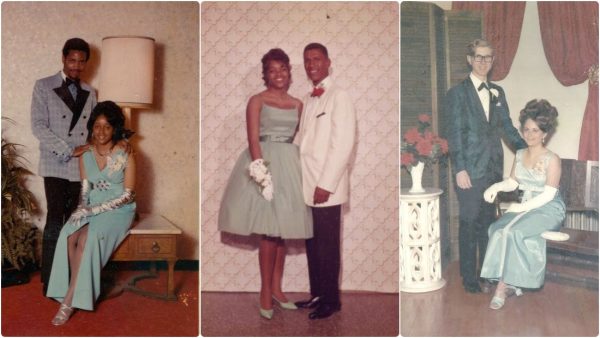
In the 1950s and 1960s, school dances were formal and traditional. Students often danced to live bands or early rock-and-roll music inspired by artists like Elvis Presley. Prom attire was elegant and modest, long gowns for girls and suits or tuxedos for boys. The dances were highly structured, with slow partner dances being the main focus. Social rules were stricter, and asking someone to prom was usually done in a simple, respectful way.
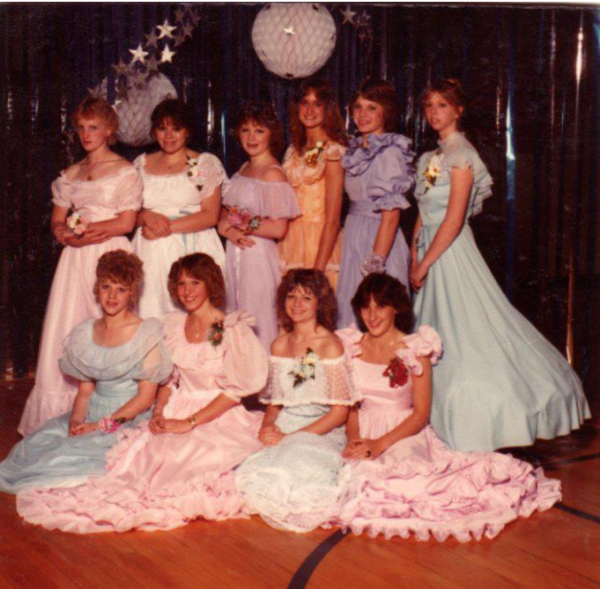
In the 1970s and 1980s, dances became more energetic and expressive. Disco and pop music shaped the atmosphere, influenced by artists like Michael Jackson and Madonna. Dance floors became more about individual style rather than strictly partner dancing. Fashion became bolder; bright colors, big hairstyles, and dramatic silhouettes were common. Promposals were still not as elaborate as today, but social expression started to feel more creative and personal.
The 1990s and 2000s brought even more change. DJs replaced live bands almost completely, and playlists included hip-hop, R&B, and pop. Artists like Beyoncé and Usher influenced the music students danced to. Themes became more elaborate; “Enchanted Garden,” “Hollywood Night,” or “Masquerade Ball.” Promposals became more public and creative, sometimes involving posters, sports events, or social media. Dresses and suits followed fashion trends seen online, and photos became a major part of the experience.
Today, school dances are often more inclusive and diverse than in the past. Many schools allow students to bring friends instead of dates, and gender roles are less strict. Music reflects current trends, and students might hear songs inspired by artists like Taylor Swift or Drake. Social media plays a huge role; outfits, promposals, and group photos are shared widely. At the same time, some traditions remain the same: dressing up, crowning prom royalty, and taking pictures with friends and family beforehand.
Despite these differences, there are clear similarities across every decade. Proms and homecoming dances have always been milestones that mark growing up. They offer a chance for students to step out of their everyday school routine and feel special. Music, fashion, and trends change, but the excitement, nerves, and anticipation stay the same.
School dances are good for social development because they help students practice important life skills. They encourage communication; asking someone to go, making plans, and interacting with different groups of people.
They build confidence, especially for students who might not usually step into social spotlight moments. Dances also strengthen friendships, create shared memories, and promote school spirit. Events like homecoming, which often include sports games and spirit week, bring entire schools together in celebration.
In the end, proms and homecoming dances are more than just fancy outfits and popular songs. They reflect each generation’s culture while still serving the same purpose: helping young people connect, celebrate milestones, and grow socially.