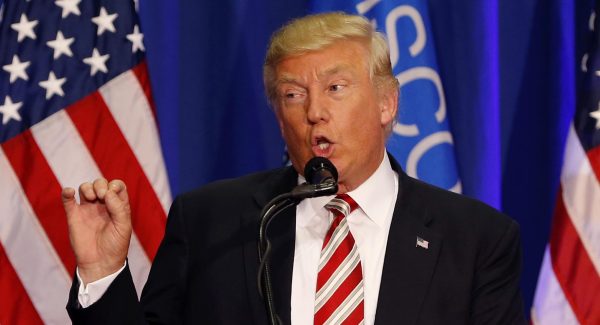
The first major election the majority of our generation remembers is the election of 2016. I was eight years old, so everyone in my grade would have been around eight or nine at the time of the campaign and the final decision. For those who may not remember, Hilary Clinton won the popular vote, but Donald Trump won the Electoral College vote. I did not understand this concept until I was older and began learning how our government functioned in Middle School.
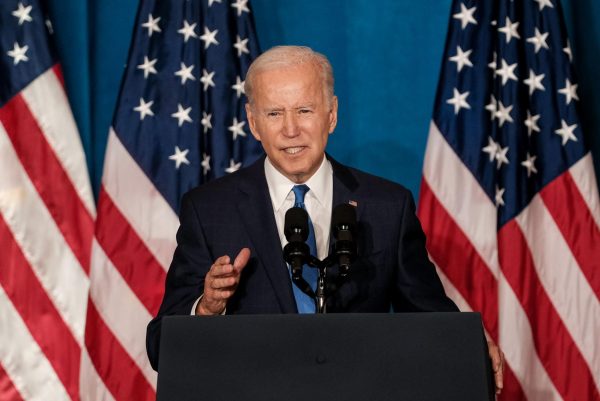
Fast forward to the next election, 2020, when Trump claimed election fraud when he lost, and proceeded to deem the media as “fake news”, leading citizens to question what sources they could rely on for accurate coverage. In the 2024 election, Biden dropped out in the middle of campaigning, creating a very difficult path forward for the Democratic Party.
As I’ve grown older and have begun paying more attention, I’ve come to the realization that none of today’s teenagers have lived through a “moderate” political climate. We were too little to remember Obama’s terms, and we grew up in a time where the media has become increasingly extreme. I believe that this could lead to one or two things: more extreme ideologies among our generation, or more questioning and investigative people that recognize this skew in the past few years.
The most important thing is that we step back and realize that American politics have not always been this polarized: we have lost significant bipartisan support in the past 40 years, and at this rate, it will continue to decrease. We need to educate people of my generation on how to view our polarized world in a less extreme way, and remember how important bipartisanship is. This can include more widespread advertisement of neutral news sources, less time getting news on social media, and engaging in civil discourse with our peers. We have the opportunity to create meaningful change and create a less extreme and more peace-focused government, if we all take a moment to realize where we are and where we need to be.